Holistic Practices
Reiki in Lombok: What Reiki Is, How Sessions Work & What People Seek It For
Reiki is a gentle hands-on or hands-above practice that originated in Japan and is often experienced as deeply restful, subtle and soothing. People seek Reiki for quiet support, inner reset, energetic reflection and the feeling of being held in a calm, attentive space.
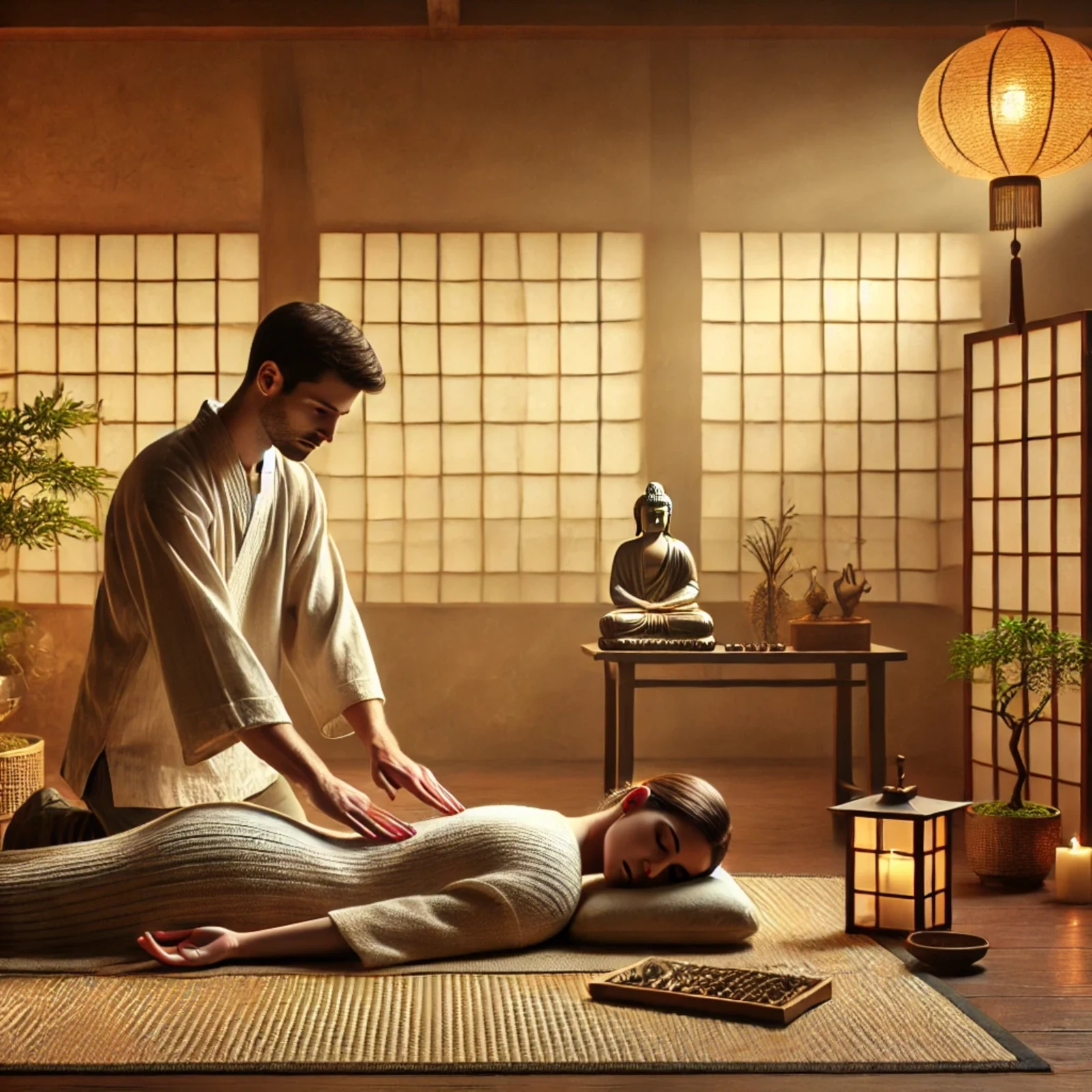
Reiki is often described as an energy-based practice, but the felt experience is usually very simple: you rest while a practitioner works quietly with their hands placed lightly on the body or hovering above it. Many people value Reiki because it gives them permission to stop striving and simply receive.
A useful distinction
Different ways this practice can be experienced
Hands-on Reiki
- Involves light touch on specific areas such as head, shoulders or torso
- Can feel grounding and reassuring when touch is welcome
- Should always happen with clear consent
Hands-above Reiki
- No direct touch is needed
- Can suit people who prefer more space or less contact
- Still aims to create a calm, attentive and restorative field
Guide section
What Reiki is and where it comes from
Reiki originated in Japan and is commonly understood as a gentle energy-healing modality. Different practitioners explain it in different language: some speak more spiritually, while others speak in terms of deep relaxation, subtle body awareness and a supportive therapeutic space.
You do not need to hold a particular belief system to receive Reiki. Many people approach it simply as a quiet, contemplative session that helps them soften, slow down and reconnect with themselves.
Guide section
How a Reiki session usually works
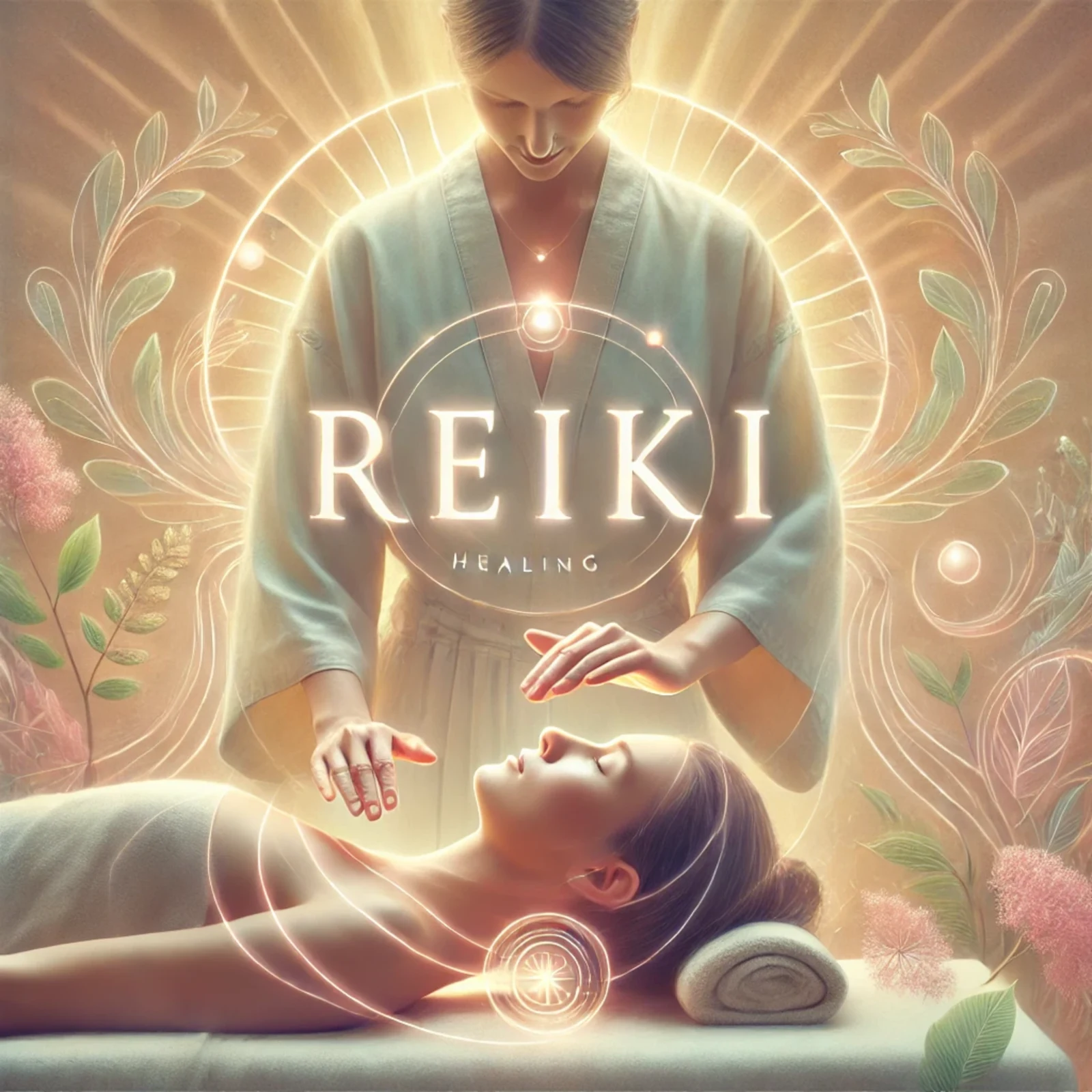
A Reiki session often begins with a short conversation about your intention, current state or anything the practitioner should know. Then you lie down fully clothed on a treatment table or mat. The practitioner may place their hands lightly on certain parts of the body or keep their hands slightly above it.
The room is usually quiet, softly lit and calm. Sessions can include music or silence. The pace is unhurried. Unlike more active modalities, Reiki often invites subtlety: nothing dramatic needs to happen for the session to be meaningful.
Guide section
What people might notice
Experiences vary widely. Some people feel warmth, heaviness, lightness or a pleasant drifting state. Others feel emotion, relief, mental quiet or simply the rare sensation of uninterrupted rest. It is also normal to feel almost nothing obvious in the moment and still notice a calmer state afterwards.
The best measure is not whether something spectacular happened, but whether you felt respected, safe and more connected to yourself. As with other subtle practices, your body’s sense of trust is more important than any grand promise.
Guide section
Why people seek Reiki
People often turn to Reiki during stressful periods, after emotional upheaval, alongside meditation or bodywork, or when they are craving non-verbal support. It can feel especially nourishing for people who carry a lot of responsibility and rarely allow themselves to receive.
Reiki is also often appreciated as a complementary practice around retreats, yoga or life transitions. It is not a substitute for medical or psychological care, but some people find it meaningful as part of a wider self-care or healing journey.
Helpful mindset
Three simple ways to get more from a session
Come with a simple intention
You do not need to force a big goal. A simple intention such as “I want to soften,” “I want clarity,” or “I want to listen” is enough.
Choose the right format
If you are new, start with a gentler or more introductory format rather than the most intense-sounding option.
Give yourself integration time
Try not to schedule something rushed immediately afterwards. Water, rest, walking or journaling can help the experience settle.
Why people come
What people often appreciate about reiki
Safety & care
Important notes before you book
Consent matters. You can always ask whether touch is used, which areas may be touched and whether the practitioner can work hands-above instead. Clear boundaries are part of good facilitation.
Reiki should be framed honestly. It may be supportive and meaningful, but it is not a replacement for medical or mental-health treatment. Choose practitioners who communicate clearly, respectfully and without exaggerated promises.
Explore locally
Reiki in Lombok
These facilitator profiles may be helpful starting points if you want to explore this practice around Lombok. Please always confirm current schedules, training, prices and session details directly with the facilitator.
Chi in Harmony
Senggigi
Learn Tai Chi, Qi Gong, meditation, Aikido and self-defense on the beautiful island of Lombok.
Cocoon Healing Lombok
Kuta Lombok
A small sanctuary on a hill of the beautiful island of Lombok. Our peaceful retreat venue offers everything you need for relaxation, healing and growth.
H2O Yoga & Meditation
Gili Air
H2O Yoga and Meditation Center on Gili Air offers daily yoga classes, meditation, interactive workshops, a health-conscious café, massage and holistic healing treatments.
Ashtari Yoga & Retreat
Kuta Lombok
Welcome to Ashtari Yoga in Kuta Lombok! Daily yoga classes, retreats, teacher trainings and private holistic services in a beautiful hillside sanctuary with sea views.
FAQ
Common questions
Do I need to believe in energy work for Reiki to be meaningful?
No. Some people approach Reiki spiritually, others simply experience it as a calming, attentive rest practice.
Will I be touched during Reiki?
Sometimes yes, sometimes no. Good practitioners always explain their approach and ask for consent. Hands-above Reiki is also common.
Can Reiki be combined with other practices?
Yes. Many people pair it with yoga, meditation, massage or retreat time as part of a broader self-care rhythm.
Holistic Tribe Lombok
Why we publish guides like this
Holistic Tribe Lombok is a non-profit community initiative. Alongside facilitator profiles and events, we want to share grounded, quality information that helps people make more conscious and respectful choices around holistic practices.